Car Rental in Costa Rica: How to Get Direct Bookings Instead of Aggregator Leftovers
July 7, 2026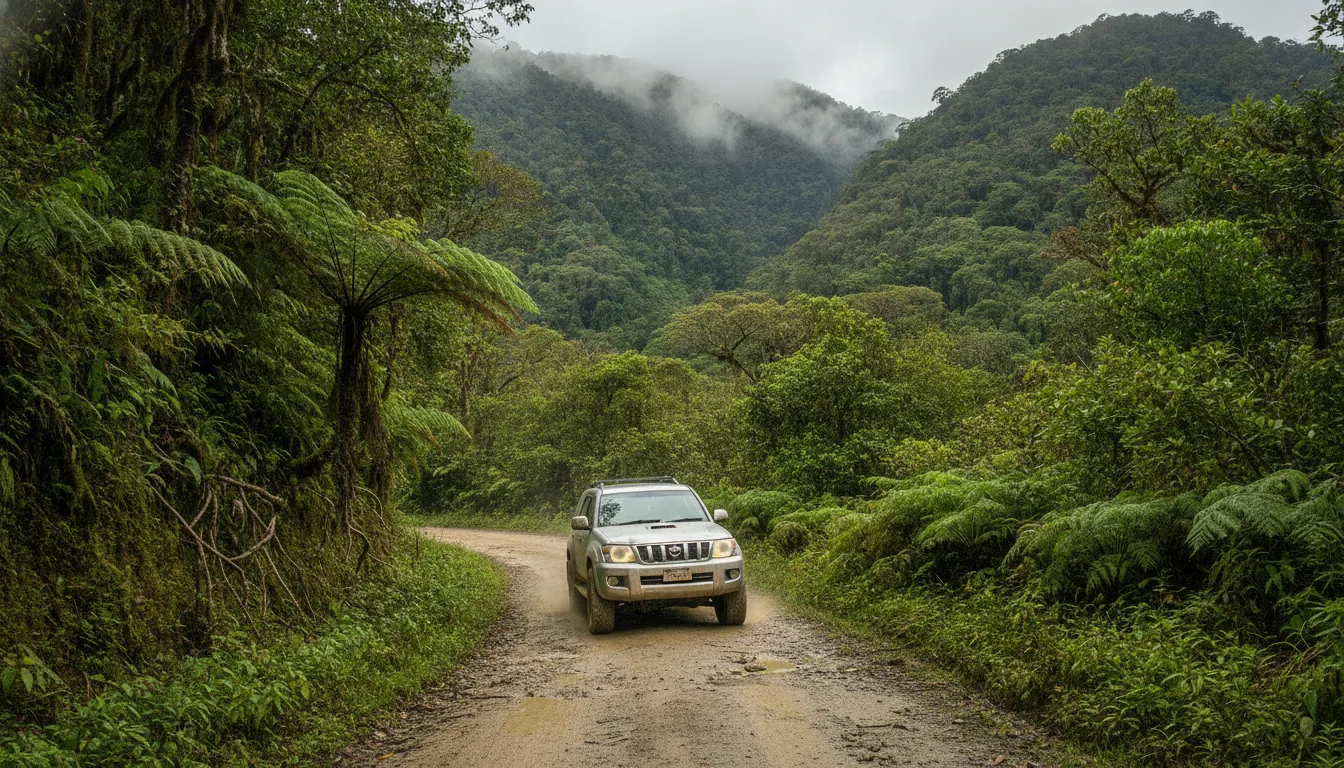
Costa Rica has a reputation problem that’s actually an opportunity: mandatory liability insurance (TPL), required by law on every rental, often isn’t shown clearly in the price an aggregator advertises — travelers land expecting one number and get a higher one at the counter, and years of forum complaints about it have made “Costa Rica car rental scam” a real search pattern. An operator who quotes the true, all-in price upfront wins trust that aggregators structurally can’t match. That trust, paired with the same three-piece direct channel we built for Vroom.DO in Punta Cana — paid search, instant WhatsApp response, and SEO — is what produced a steady $4–6 per qualified lead in a similarly aggregator-heavy tourist market.
This article applies that playbook to Costa Rica specifically, not a generic “car rental marketing” checklist.
Why Costa Rica is a harder market than most
Three things work against a local operator in Costa Rica: the mandatory-insurance pricing confusion described above, which erodes trust before a traveler even compares operators; two separate international airports — Juan Santamaría (SJO) near San José for the Central Valley and Arenal, and Liberia (LIR) for Guanacaste’s beach resorts — that split demand into two distinct markets rather than one; and road conditions where several popular destinations (Monteverde, parts of the Nicoya Peninsula) genuinely require a 4x4, making the wrong car-type match a real source of lost bookings and bad reviews, not just a preference.
The three pieces of a direct channel in Costa Rica
1. Google Ads segmented by airport and vehicle type. SJO and LIR serve different trip types with different competition, and 4x4 versus sedan searches carry different intent — a traveler searching “4x4 rental Monteverde” is closer to booking than one searching generic “car rental Costa Rica.” A single undifferentiated campaign wastes spend on browsers; segmenting by airport and vehicle type, with negative keywords filtering out job-seekers and unrelated searches, is what keeps cost per lead close to the $4–6 benchmark instead of the $10+ that unsegmented campaigns often run. Full mechanics: Google Ads for car rental.
2. Instant WhatsApp response — with pricing transparency built in. Travelers burned by insurance surprises elsewhere ask pointed questions before booking: is TPL included, is there a hidden deposit, does this car handle unpaved roads. An AI sales agent that answers clearly and immediately, in the traveler’s language, builds the trust an aggregator listing can’t — and collects car type, dates, and route needs in the same exchange. Full breakdown: AI sales agent on WhatsApp.
3. SEO built around pricing transparency and route-specific vehicle needs. Beyond generic “car rental Costa Rica,” the searches worth targeting are narrower: “Costa Rica car rental all-inclusive price no surprises,” “do I need a 4x4 for Monteverde,” “one-way car rental Liberia to San José.” These are exactly the trust-building, planning-stage queries that AI search tools like ChatGPT and Google AI Overviews tend to cite directly when the answer is specific and sourced. Full breakdown: SEO for car rental.
What this costs, using a comparable market as the reference
Costa Rica and Punta Cana are structurally similar: both are foreign-tourist-heavy rental markets with strong aggregator presence and multilingual demand. In Punta Cana, running this exact three-piece channel for Vroom.DO from a cold start — no bookings, no ad history — produced a steady $4–6 per qualified lead. Full numbers in the Vroom.DO case study.
Costa Rica’s split between two airport markets and the added trust-building work around insurance pricing typically means a slightly longer path to that benchmark than a single-airport market — a realistic starting range runs a bit above $4–6 before the campaign’s 14-day tuning window brings it down. We estimate the specific number for your listings during a test launch rather than quoting a fixed figure for a market we haven’t yet run live spend in.
How this fits the bigger picture
Costa Rica-specific execution sits inside the same four-channel framework that works across car rental markets generally — see the full breakdown in how to attract customers to a car rental business. If you’re deciding whether to keep paying aggregator commissions or build your own channel, the cost comparison is laid out in aggregators vs. direct bookings.
FAQ
Is mandatory insurance in Costa Rica really required, or is it an upsell tactic? The basic liability insurance (TPL) is legally mandatory on every rental in Costa Rica — it’s real, not an upsell. The trust problem is that many online listings advertise a price without it, so travelers see a higher number at the counter than they expected.
Do I need a 4x4 in Costa Rica? Depends on the route — Monteverde and parts of the Nicoya Peninsula have unpaved roads that genuinely need one, while most Guanacaste beach towns and the Central Valley are fine with a sedan. Being specific about this by destination, rather than upselling every renter into a 4x4, builds the kind of trust that gets repeat bookings and reviews.
What’s a realistic cost per lead for a new car rental listing in Costa Rica? We don’t have a live Costa Rica case yet, so we won’t quote a fixed number — but Punta Cana, a structurally similar market, lands at $4–6 per qualified lead. We estimate your specific number during a test launch.
How fast can a Costa Rica channel launch? Google Ads and the AI WhatsApp agent typically launch in 5–7 business days on an existing site. SEO content targeting pricing transparency and route-specific vehicle questions compounds over months — it’s worth starting even before the paid channel proves out.
Want a Costa Rica-specific estimate? Book a 15-minute call — we’ll look at your pickup points and current setup and estimate a realistic cost per lead before you commit budget.